
RORO Skip Hire in Kensington and Chelsea
In London's smallest and most tightly parked borough, large containers suit only a handful of sites, and we will tell you plainly which alternative fits yours.
- Licensed local partners across Kensington and Chelsea
- Waste paperwork provided with every job
- Free, no-obligation quotes
Kensington and Chelsea produces a surprising amount of construction waste for its size. Behind the stucco, houses are being extended downwards and backwards, mansion blocks refitted, shops and restaurants renewed, hotels and museums upgraded. What the borough lacks is anywhere to stand a large container while that happens.
Roll-on roll-off skip hire therefore has a narrow but real role here. It works on the major development sites, such as former gasworks land at Kensal and the Earl’s Court scheme, and at institutions with their own service yards. In those settings we arrange RORO containers of an appropriate size with a licensed local partner, subject to availability. Across the residential streets, other methods are needed, and this page covers those too. Speak to the team on 0333 121 1056 or send site details for a quote.
RORO Skip Sizes Available in Kensington and Chelsea

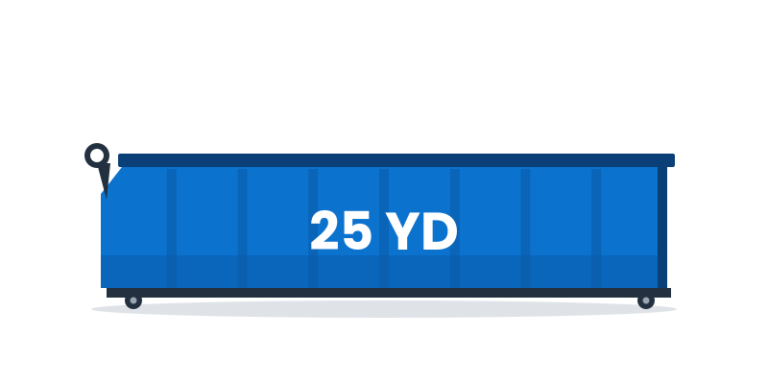
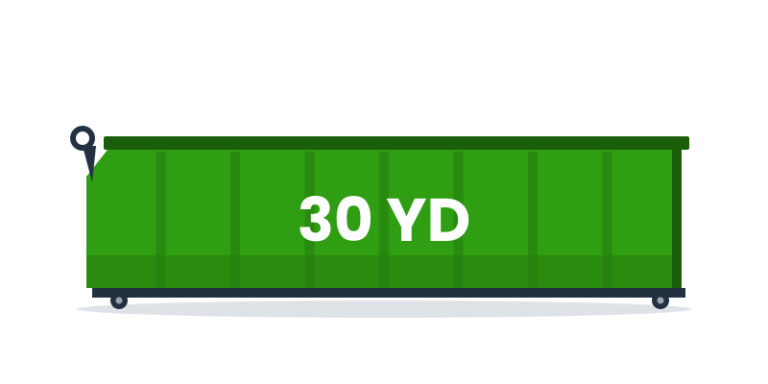
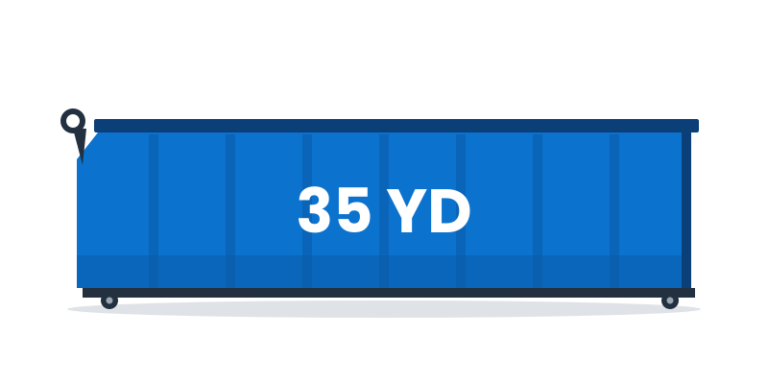


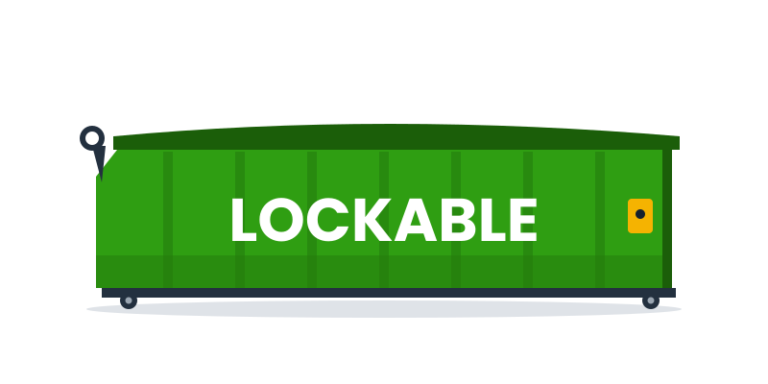
Institutions, hotels and retail with service access
South Kensington’s museums, the borough’s several hospitals, and the larger hotels and department stores around Knightsbridge and Kensington High Street are among the few premises with goods yards or loading docks. When galleries are rebuilt, wards refurbished or shop floors refitted, a 25-yard or 30-yard RORO in the yard takes exhibition builds, fixtures, flooring and packaging far more efficiently than a succession of small skips. Shopfitting waste and bulky waste are the usual contents. A lockable RORO is worth asking for where the yard is shared or visible from the street.
Basements, mansion blocks and the weight problem
Residential building work in Kensington and Chelsea is dominated by deep refurbishment, including basement construction, and the council commonly expects a construction traffic management plan for such projects. The waste divides sharply. Strip-out material from interiors is light and bulky, ordinary construction waste. Excavated clay and broken concrete are extremely dense: soil and excavation waste cannot be carried in a large container because the lorry would be over its legal weight long before the container filled. On the major development sites, demolition waste follows the same rule, with masonry in the smallest RORO sizes part-loaded or removed by tipper.
How waste really leaves a Chelsea terrace
With residents’ bays on both sides and neighbours close by, most contractors use a combination. A wait-and-load skip is booked for strip-out days so the skip never stays on the street. Grab hire takes spoil from a conveyor or stockpile at the frontage during the dig, and excavation waste haulage is scheduled within the hours the traffic plan allows. Where a skip can remain, it needs the council’s licence and normally a bay suspension, and an enclosed skip reduces dust and stops others adding to it.
Light-touch collections for shops, flats and offices
Boutiques on the King’s Road, restaurants in Notting Hill and offices above shops have little storage and frequent small quantities of waste. Timed commercial waste collection from bins, or from sacks where no bin can be kept, is the norm. Managing agents for mansion blocks call on a man and van collection to empty bulky-item stores, and estate agents and solicitors arrange a house clearance before a sale. Crews carry from the property, which matters in buildings with lifts, porters and rules about when contractors may work.
Materials and services for constrained sites
Basement and structural work consumes concrete and aggregate in quantity, delivered to a site with no laydown area. We can arrange ready-mix concrete or volumetric concrete with pump hire to carry it through or over the building, and aggregate delivery in bagged or part loads where a full lorry cannot tip. A road sweeper may be needed to satisfy conditions on keeping the highway clean during muck-away. Supply is through local partners, and delivery slots must sit inside whatever working hours your permissions set.
Restricted items and local rules to plan around
Period properties regularly contain asbestos in boiler rooms, risers and old floor tiles; it must be surveyed and removed by a separate asbestos collection, never placed in a general container. The same exclusion applies to electricals, fridges, batteries, gas cylinders, fluorescent tubes, paints, solvents and oils, and to upholstered seating that may need POPs handling. Plasterboard is kept apart. All can be booked through specialist waste collections. Practically, the borough is in the Ultra Low Emission Zone, routes such as the A4 Cromwell Road and the Embankment are red routes, and noisy work and deliveries are generally confined to set hours. Share your traffic management plan if you have one.
Local industries and commercial areas
- Kensal Canalside development
- Earl's Court scheme
- Museums and galleries
- Hospitals
- Hotels and retail refits
- Basement contractors
- Mansion block managers
Areas covered in and around Kensington and Chelsea
RORO containers normally stand on private land, where no permit is needed. Permission to place anything on a public road here comes from Kensington and Chelsea Council – see RORO skip permits.
- Kensington
- Chelsea
- Notting Hill
- Earl's Court
- South Kensington
- Knightsbridge
- Holland Park
- North Kensington
- Ladbroke Grove
- Brompton
- West Brompton
- Kensal Town
- World's End
RORO skip hire in Kensington and Chelsea – your questions answered
Can’t see your question? Call 0333 121 1056 or send us a message.
Can you arrange a RORO for a basement dig in Kensington?
Not for the spoil. Clay and concrete are too heavy for large containers, and terraced streets cannot accommodate one. Grab lorries and tippers remove excavated material, with wait-and-load or small skips for mixed debris. We can coordinate those services together for the project.
Is the borough inside the Congestion Charge zone?
No. Kensington and Chelsea lies west of the current Congestion Charge zone, although it is within the Ultra Low Emission Zone, and vehicles must also meet London’s lorry safety permit rules. These are matters for the haulier, but they can influence which vehicles are available.
How far ahead should waste removal be planned here?
Earlier than elsewhere. Skip licences, bay suspensions and any traffic management plan need to be in place first, and the council’s processes take time. We suggest contacting us once you know the programme so the local partner can advise on what is feasible.
Do you supply containers for museum or hospital projects?
Containers can be arranged for institutional sites that have a service yard with lorry access. Hospitals must keep clinical and pharmaceutical waste entirely separate; that is handled through clinical waste arrangements, not general containers. Site rules and delivery windows are agreed beforehand.
Often booked with RORO skip hire in Kensington and Chelsea
Need more than one service for the same Kensington and Chelsea project? Add them to one enquiry and we’ll coordinate them together.
Get a Quick Quote
Tell us the site postcode, the waste, the container size if you know it, and when you need it. Mention exchanges, other sites or specialist waste and we will include them. Photos of the waste and the access help.
ROROSkipHire.com is operated by Waste Cloud Ltd. Services are coordinated centrally and carried out by licensed local waste management and haulage partners across England, Scotland and Wales.