
RORO Skip Hire in Wales
RORO containers arranged for Welsh businesses from the M4 corridor to Deeside, with case-by-case checks for rural mid Wales and the north-west.
- Licensed local partners across Wales
- Waste paperwork provided with every job
- Free, no-obligation quotes
Two industrial belts, one in the south and one in the north-east, account for most of the large-container work in Wales. Between them lies a long stretch of upland and coast where farms, quarries, tourism businesses and small towns are the customers, and where getting a hook-loader to the gate takes more planning. A sensible conversation about RORO skip hire in Wales starts by working out which of those settings the site belongs to.
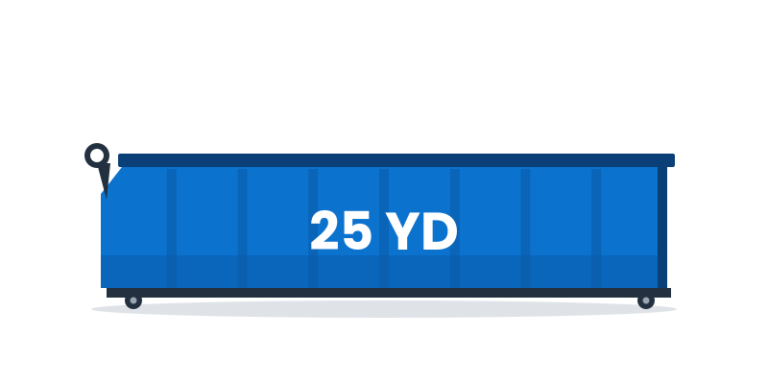
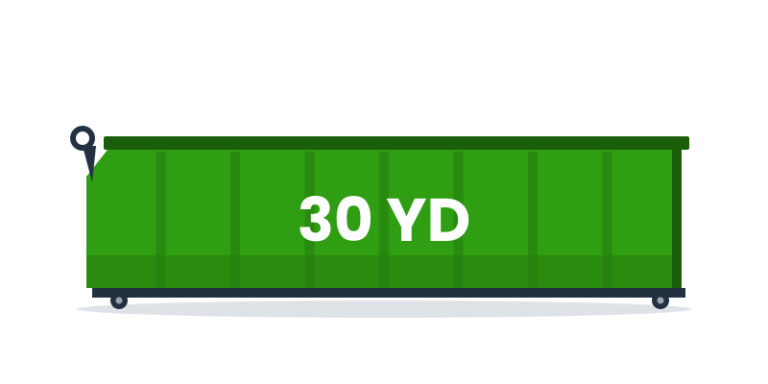
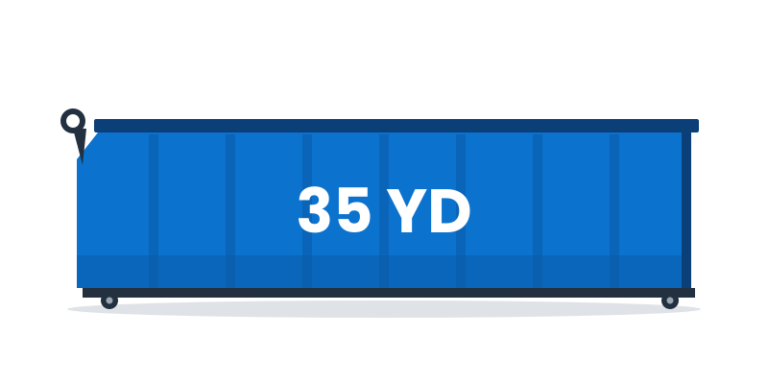
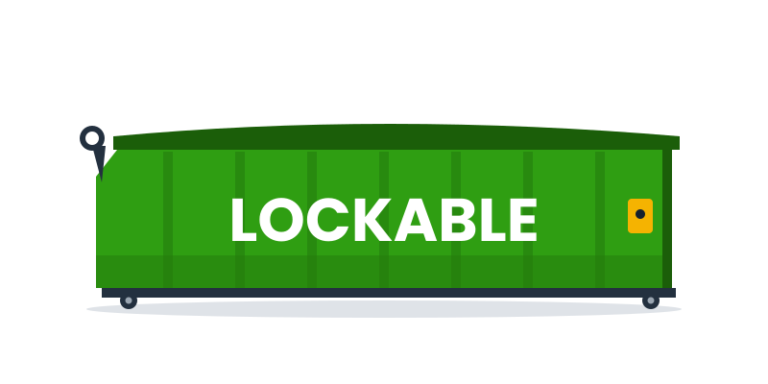
ROROSkipHire.com arranges roll-on roll-off containers throughout Wales by matching each enquiry to a licensed waste management or haulage partner near the site. A single team coordinates the quote, the booking and the paperwork; the partner supplies the container and the vehicle. Sizes from 20 to 50 cubic yards can be arranged where local operators run them, and we confirm what is actually on offer for your postcode before you commit.
RORO Skip Hire Across Wales



South Wales and Deeside: where the volume is
Steelmaking and its supply chain at Port Talbot in Neath Port Talbot, manufacturing estates in Bridgend and at Treforest, and the docks and business parks of Newport and Cardiff all generate steady industrial waste and scrap metal. In the north-east, Deeside Industrial Park in Flintshire and Wrexham Industrial Estate are among the largest employment sites in the country. Dense production waste suits a 20-yard RORO; packaging-heavy operations get more from a 40-yard container exchanged on a schedule.
Building, refurbishment and demolition in Wales
Waterfront development in Swansea and Cardiff Bay, new housing along the M4 and A55 corridors, and major road improvements in the Heads of the Valleys have kept Welsh contractors supplied with work. Light, mixed construction waste such as timber, packaging and insulation is what large containers are for. Old industrial buildings are another story: masonry, concrete and made ground from demolition are heavy enough to hit a hook-loader’s legal weight limit with the container barely a third used. Use small RORO sizes part-filled, or see concrete and rubble for other routes.
Valley terraces, farm lanes and smaller jobs
Much of Wales was not built with large lorries in mind. Terraced streets climbing the valley sides, coastal villages and hill farms often have no room for a hook-loader to manoeuvre. Conventional skip hire covers most of these, and an 8-yard skip handles a surprising amount of refurbishment waste. Where the material is soil or stone, grab hire can load from the roadside, and tipper hire with muck away suits bigger digs. Tell us about gradients, gate widths and overhead cables and we will advise honestly.
Workplace recycling and routine collections
Welsh workplace recycling rules oblige businesses, charities and public bodies to keep paper and card, glass, metals and plastics, and food waste separate for collection, rather than putting everything in one bin. For most premises that means commercial waste collections using several wheelie bins, with food waste and cardboard collected in their own containers. Bulky one-off loads can go by man and van, and a full office or warehouse clearance can be arranged when a building is vacated.
Site supplies for Welsh projects
Contractors can ask for inbound materials through the same team. Aggregate delivery covers sub-base, drainage stone, sand and topsoil for housing plots, agricultural yards and access tracks. Concrete delivery can be paired with concrete pumping on sloping or restricted plots, which are common in the valleys. Sites beside public roads may want road sweeper hire, and energy or infrastructure schemes in rural areas often need welfare units. Availability thins out away from the main corridors, so each request is checked locally.
What stays out of the container, and how lorries get in
Mixed-waste RORO containers are not for asbestos, electrical items, batteries, tyres, gas cylinders, fridges, fluorescent tubes, paints, oils or chemicals, and plasterboard has to be kept on its own. Older Welsh industrial and agricultural buildings regularly contain asbestos cement sheeting, so have it identified first. We arrange the correct route through specialist waste collections, whether that is asbestos, hazardous waste or agricultural chemicals.
On private land, no permit applies. A road placement needs the consent of the council as highway authority and is unlikely for a RORO. Mention narrow bridges, steep approaches and seasonal traffic on tourist routes when you enquire.
Local industries and commercial areas
- Port Talbot steel supply chain
- Deeside Industrial Park
- Wrexham Industrial Estate
- Cardiff and Newport docks
- Treforest Industrial Estate
- Pembrokeshire energy sites
- Farms and rural estates
Regions and cities covered in Wales
RORO containers normally stand on private land, where no permit is needed. Permission to place anything on a public road here comes from the local council (highway authority) – see RORO skip permits.
RORO skip hire in Wales – your questions answered
Can’t see your question? Call 0333 121 1056 or send us a message.
Who regulates waste in Wales?
Natural Resources Wales regulates waste carriers and facilities. Your duty of care is the same as elsewhere in Britain: describe the load correctly, use a registered carrier and keep the transfer note. Hazardous loads move under consignment notes. Our duty of care guide explains the records.
Can a RORO be delivered in rural mid and west Wales?
It can often be arranged, though the choice of sizes is narrower in Powys, Ceredigion and Gwynedd than along the M4. Access is the usual sticking point. Give us the postcode and a description of the approach and we will check with partners serving the area.
Does Welsh workplace recycling law affect what goes in a RORO?
It affects how routine workplace waste is presented, so recyclables should not simply be tipped into a general container. Many sites use separate containers for cardboard, timber or metal. Commercial waste segregation gives practical examples, and we can quote for more than one stream.
Can heavy soil and rubble go in a RORO in Wales?
Only in the smaller sizes and only part-filled, because the lorry’s legal weight limit governs the load. Exact limits vary by container and local partner and are confirmed with your quote. For larger quantities, soil removal by grab or tipper is normally more practical.
Often booked with RORO skip hire in Wales
Need more than one service for the same Wales project? Add them to one enquiry and we’ll coordinate them together.
Get a Quick Quote
Tell us the site postcode, the waste, the container size if you know it, and when you need it. Mention exchanges, other sites or specialist waste and we will include them. Photos of the waste and the access help.
ROROSkipHire.com is operated by Waste Cloud Ltd. Services are coordinated centrally and carried out by licensed local waste management and haulage partners across England, Scotland and Wales.