
RORO Skip Hire in England
Roll-on roll-off containers arranged for commercial, industrial and construction sites in all nine English regions, coordinated by one team and delivered by licensed local partners.
- Licensed local partners across England
- Waste paperwork provided with every job
- Free, no-obligation quotes
Most of Great Britain’s warehousing, manufacturing and house building sits in England, and a great deal of the waste those sectors produce leaves site in a roll-on roll-off container. Distribution parks beside the M1 and M6, port estates on the Humber, Mersey, Thames and Solent, and regeneration schemes in almost every large city all rely on the same simple arrangement: a big steel container, dropped by a hook-loader lorry and swapped when it is full.
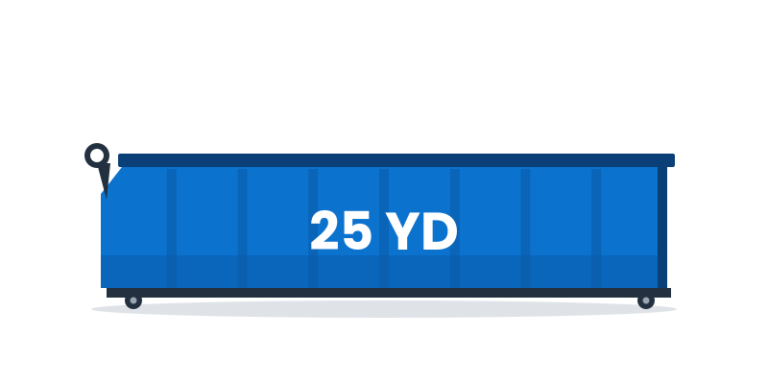
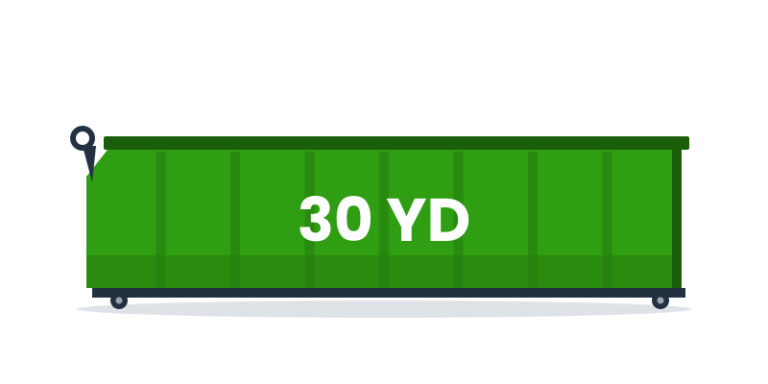
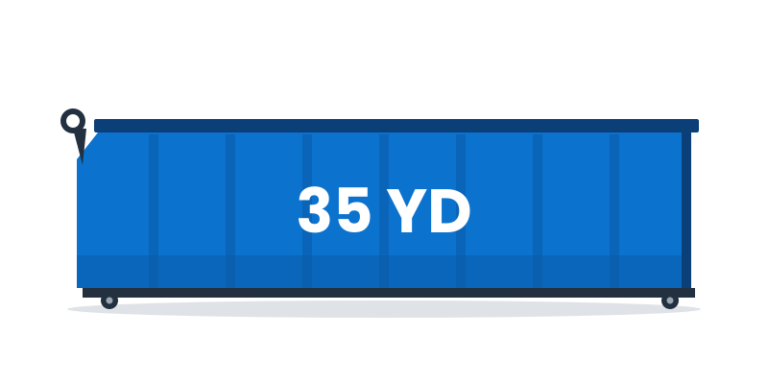
ROROSkipHire.com arranges that service across England without owning a single vehicle. Enquiries are handled by one central team, quotes and bookings run through the Waste Prime platform, and each job is carried out by an appropriately licensed waste management or haulage partner local to the site. Eight open RORO container sizes from 20 to 50 cubic yards can be arranged, subject to local availability, which we check against your postcode before confirming anything.
RORO Skip Hire Across England
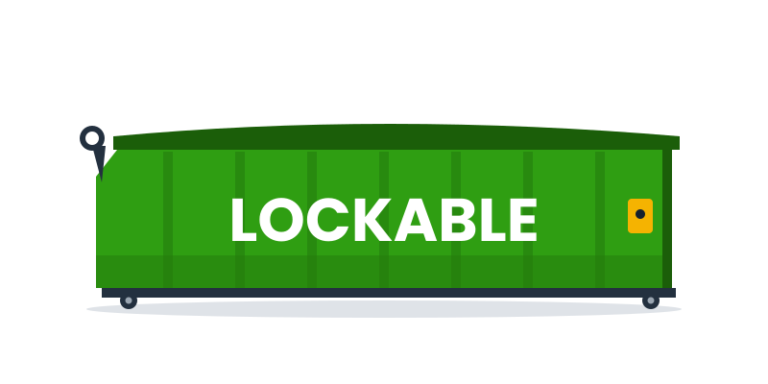
RORO Skip Sizes Available in England



Where England's large containers earn their keep
Logistics dominates demand. The cluster of distribution parks across the East Midlands and West Midlands produces pallets, shrink wrap and cardboard in quantities that suit a 40-yard or 50-yard RORO, often on a regular exchange. Manufacturers in the North West and Yorkshire and the Humber tend to produce denser offcuts and process waste, where a 20-yard or 25-yard container is the safer choice. Retail parks, port operators and facilities managers sit somewhere between. Our pages on warehouse waste and manufacturing waste explain how each stream is normally handled.
Construction and demolition across English sites
Housing sites on the edge of market towns, tower schemes in Manchester, Birmingham and Leeds, and commercial fit-outs throughout London all generate mixed construction waste: timber, packaging, insulation, plastics and offcuts. That material is bulky rather than heavy and fills large RORO containers well. Demolition waste is a different matter. Brick, concrete and soil reach a hook-loader’s legal weight limit long before a big container looks full, so dense arisings go in the smaller RORO sizes part-filled, or leave site by another method entirely.
Jobs where a skip, grab or tipper does it better
A RORO needs room: a firm surface, a straight approach and clear height for the hook-loader to tip the container off its back. Terraced streets, tight town-centre plots and small refurbishments are usually better served by conventional skip hire, delivered on a smaller skip-loader. For soil, clay and hardcore, grab hire lifts material straight from a stockpile, while tipper hire and muck away suit sites with an excavator loading continuously. If you are unsure which applies, describe the waste and the site when you ask for a quote and we will point you to the right option.
Regular collections and clearance work
Not every English business produces enough to justify a container on site all year. Offices, shops, workshops and schools generally run on commercial waste collections from wheelie bins, with separate bins for recycling and food. One-off jobs fall to a man and van collection, where a crew loads by hand, or to a planned office clearance or warehouse clearance at the end of a lease. Many customers combine the two: bins for the daily routine and a RORO for the annual clear-out, a relocation or a refit.
Materials and services delivered to site
The same enquiry can cover what comes onto site as well as what leaves it. For groundworks and housing schemes we can arrange aggregate delivery including sub-base, sand and topsoil, along with concrete delivery and concrete pump hire where the pour is out of reach of the mixer. Developers working beside live roads often add road sweeper hire to keep mud off the highway, and longer projects may need site welfare facilities. All of it is supplied by local partners and remains subject to availability in your area.
Restricted wastes, road permission and access in England
A standard mixed-waste RORO cannot take asbestos, electrical equipment, batteries, tyres, gas cylinders, fridges, paints, solvents, oils or clinical waste, and plasterboard must be kept apart from other materials. None of these should be hidden in a load. Each has its own route through our specialist waste collections, including hazardous waste, asbestos and WEEE.
On private land no road permit is needed. Placing a RORO on a public road requires permission from the council as highway authority and is frequently refused. Several English cities also operate clean air zones that affect which vehicles a partner sends, so give us the full site address early.
Local industries and commercial areas
- Midlands distribution parks
- Humber, Mersey and Solent port estates
- City-centre regeneration schemes
- Volume house building sites
- Manufacturing and engineering works
- Retail and leisure parks
- Public sector estates
Regions and cities covered in England
RORO containers normally stand on private land, where no permit is needed. Permission to place anything on a public road here comes from the local council (highway authority) – see RORO skip permits.
- London
- South East England
- South West England
- East of England
- East Midlands
- West Midlands
- North West England
- Yorkshire and the Humber
- North East England
- Birmingham
- Manchester
- Leeds
- Liverpool
- Bristol
- Newcastle
- Sheffield
RORO skip hire in England – your questions answered
Can’t see your question? Call 0333 121 1056 or send us a message.
Who regulates waste collected from sites in England?
The Environment Agency regulates waste carriers and waste facilities in England. Your own duty of care still applies: describe the waste accurately, hand it only to a registered carrier and keep the waste transfer note. Our guide to the waste duty of care sets out what to keep on file.
Do I need a permit to put a RORO container on a road in England?
Yes, if any part of it sits on the public highway. Permission comes from the local council acting as highway authority, and many will not license a container of this size. Most RORO hires go on private land for that reason. See RORO skip permits for the detail.
Which RORO sizes can be arranged in England?
Open containers of 20, 25, 30, 35, 40 and 50 cubic yards can be arranged, along with enclosed and lockable versions. Not every partner runs every size, so the options for a particular postcode are confirmed when we quote.
Can one account cover sites in several English regions?
It can. Because enquiries are coordinated centrally, a contractor or retailer with sites from Cornwall to Northumberland can deal with one team rather than a separate firm in each region. Multi-site RORO hire explains how bookings and paperwork are kept consistent.
Often booked with RORO skip hire in England
Need more than one service for the same England project? Add them to one enquiry and we’ll coordinate them together.
Get a Quick Quote
Tell us the site postcode, the waste, the container size if you know it, and when you need it. Mention exchanges, other sites or specialist waste and we will include them. Photos of the waste and the access help.
ROROSkipHire.com is operated by Waste Cloud Ltd. Services are coordinated centrally and carried out by licensed local waste management and haulage partners across England, Scotland and Wales.