
RORO Skip Hire in East of England
RORO containers arranged across Essex, Hertfordshire, Bedfordshire, Cambridgeshire, Suffolk and Norfolk for port, agricultural, science and construction sites.
- Licensed local partners across East of England
- Waste paperwork provided with every job
- Free, no-obligation quotes
Flat land, deep-water ports and some of the most productive farmland in Britain give the East of England a waste profile of its own. Container traffic through Felixstowe and the Thames estuary terminals feeds a chain of warehouses along the A14 and A12. Vegetable packers and food processors work the Fens. Laboratories and technology firms cluster around Cambridge, and the Norfolk and Suffolk coast services offshore energy. Each of these sectors uses roll-on roll-off containers, though rarely the same size or for the same material.
ROROSkipHire.com arranges RORO skip hire across the region’s six counties through licensed local partners. We have no vehicles or yards; our role is to coordinate the enquiry, match it to a suitable operator and keep the paperwork straight. Containers from 20 to 50 cubic yards can be arranged, subject to what is available near your postcode.
RORO Skip Hire in East of England – Local Pages
RORO Skip Sizes Available in East of England

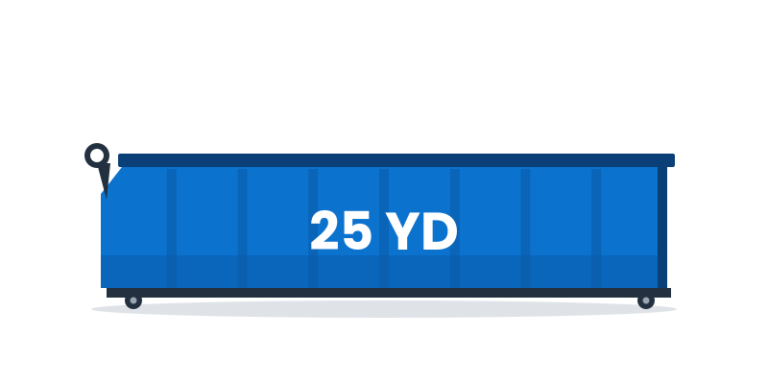
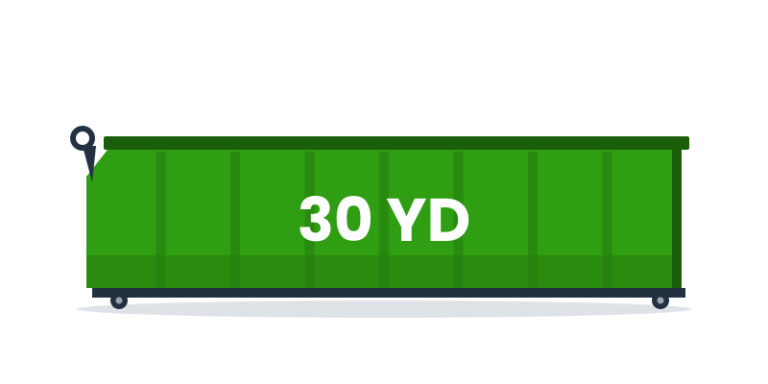
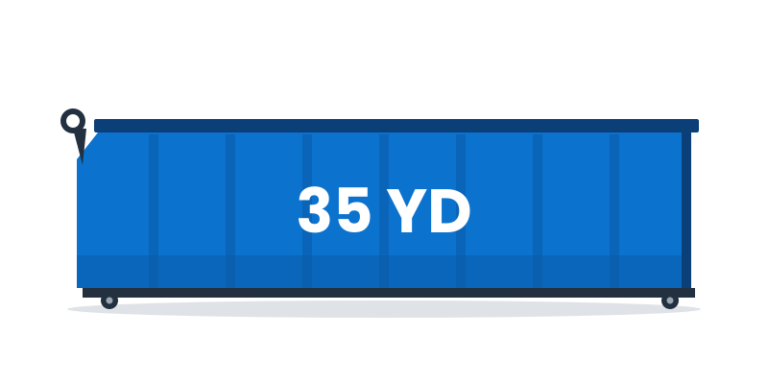


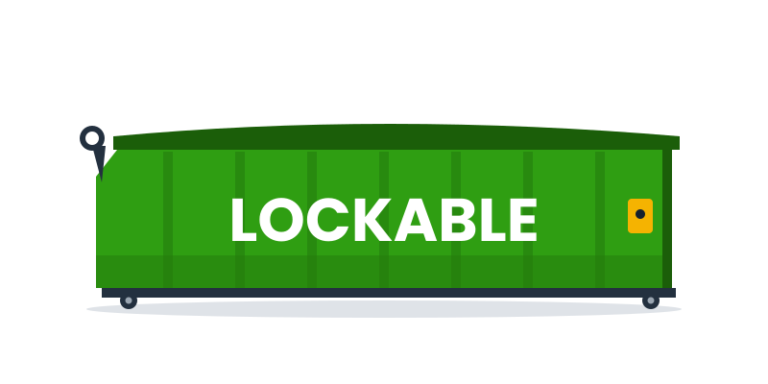
Ports, packhouses and science parks
Port-related warehousing near Ipswich, Felixstowe and the Essex terminals handles imported goods that arrive wrapped, strapped and palletised, creating cardboard and packaging and plastic waste by the lorry-load. A 50-yard RORO is built for exactly that light, bulky stream. Distribution parks around Peterborough are similar. Fenland packhouses mix cardboard with rejected crates and film, often in a 35-yard container. Research campuses in Cambridge tend to prefer enclosed containers for security and tidiness. Whatever the sector, the container should be chosen for the density of the waste as much as its volume.
Growth areas and construction waste in the East
Few parts of England are building as many homes. New settlements north of Cambridge, expansion around Chelmsford, Colchester and Bedford, and a large energy project on the Suffolk coast all generate construction waste over long programmes. Site managers typically keep a 30 or 40-yard RORO for light mixed waste and exchange it as plots complete. Clay spoil, concrete and brick from demolition are too dense for that approach, reaching the vehicle’s legal weight limit early, so they go in small containers part-filled. Segregating plasterboard from the start avoids rejected loads.
Medieval streets, soft ground and heavy loads
Central Cambridge and Norwich have lanes that defeat any large vehicle, and a farmyard in February may not bear a loaded hook-loader at all. In those cases skip hire or an enclosed skip is the fallback. Earthworks on the region’s heavy clays are served by grab hire, tipper hire and muck away. Very large volumes of light material, such as stockpiled wood or baled waste, may move more efficiently by walking floor haulage than by a series of containers.
Routine waste and recycling services
Market-town shops, commuter-belt offices in Hertfordshire and Essex, and seaside businesses from Southend to Cromer mostly need a regular round, not a container. We can arrange commercial waste collection with wheelie bins and separate cardboard collection for retailers who generate more boxes than a bin holds. Farms diversifying into shops, cafes and lettings fall under the same rules as any other business. For one-off jobs, man and van collection and warehouse clearance can be arranged, the latter common when seasonal storage units are emptied.
Aggregates and site services in a stone-poor region
Much of East Anglia has little hard rock of its own, so crushed stone is usually brought in and recycled Type 1 and crushed concrete are popular for farm tracks and sub-bases. We can arrange those along with sand, gravel and topsoil, plus concrete delivery for slabs, silage clamps and foundations. On housing sites beside rural roads, road sweeper hire deals with the mud that clay soils inevitably produce. Welfare facilities can be arranged for remote plots, all subject to local supply.
Keeping restricted waste out, and getting lorries in
Mixed-waste RORO containers must not receive asbestos, electrical equipment, batteries, tyres, gas cylinders, fridges, paints, solvents, oils or laboratory and clinical waste. Plasterboard is segregated. Farms should pay attention to pesticide containers and old sheeting; laboratories to chemicals and sharps. We arrange compliant removal through specialist waste collections, including hazardous waste, agricultural chemicals and refrigeration equipment.
No permit is needed on private land. Road placements are a decision for the county or unitary council and are rarely suitable for a RORO. Fen roads can be uneven with weight-limited bridges, so describe the approach route as well as the site.
Local industries and commercial areas
- Felixstowe and Thames estuary port logistics
- A14 corridor distribution
- Fenland food processing
- Cambridge science and biomedical campuses
- Norfolk and Suffolk offshore energy bases
- Arable farms and estates
- New housing settlements
Towns and districts covered in East of England
RORO containers normally stand on private land, where no permit is needed. Permission to place anything on a public road here comes from the local council (highway authority) – see RORO skip permits.
- Cambridge
- Peterborough
- Norwich
- Ipswich
- Chelmsford
- Colchester
- Luton
- Bedford
- Southend-on-Sea
- Basildon
- Stevenage
- Watford
- King's Lynn
- Great Yarmouth
- Lowestoft
- Felixstowe
RORO skip hire in East of England – your questions answered
Can’t see your question? Call 0333 121 1056 or send us a message.
Which authority issues road permits in the East of England?
County councils in Cambridgeshire, Essex, Hertfordshire, Norfolk and Suffolk, and unitary councils such as Peterborough, Luton, Southend-on-Sea, Thurrock and the Bedfordshire authorities. All act as highway authority for their roads. Expect a RORO to be placed on private land rather than the highway.
Can a RORO stand on a farmyard or field edge?
Only on ground firm enough to carry the loaded container and the lorry collecting it. Concrete pads and compacted hardcore are fine; soft verges and wet stubble are not. Describe the surface when you enquire. Delivery and access requirements explains what partners look for.
What is the right container for a packhouse or food factory?
Dry packaging waste is usually handled in 35 to 50-yard containers. Food residues and liquids are different: they should not go in an open mixed container and may need food and liquid waste collection. Tell us what the waste actually contains and we will separate the streams.
Are large containers suitable for central Cambridge or Norwich?
Seldom within the historic cores, where streets are narrow and access is controlled. Sites on the outskirts and on science and retail parks are generally straightforward. For central addresses we normally discuss smaller skips or timed collections instead.
Often booked with RORO skip hire in East of England
Need more than one service for the same East of England project? Add them to one enquiry and we’ll coordinate them together.
Get a Quick Quote
Tell us the site postcode, the waste, the container size if you know it, and when you need it. Mention exchanges, other sites or specialist waste and we will include them. Photos of the waste and the access help.
ROROSkipHire.com is operated by Waste Cloud Ltd. Services are coordinated centrally and carried out by licensed local waste management and haulage partners across England, Scotland and Wales.