
RORO Skip Hire in Argyll and Bute
Sea lochs, long peninsulas and inhabited islands make waste logistics here unusual. We check every Argyll and Bute enquiry individually.
- Licensed local partners across Argyll and Bute
- Waste paperwork provided with every job
- Free, no-obligation quotes
Few parts of Britain are harder to serve with large vehicles than Argyll and Bute. A site in Campbeltown is a long drive from the Central Belt down a single trunk road; one on Mull, Islay or Bute involves a ferry booking as well. That does not rule out roll-on roll-off containers, but it does mean we will not promise one before a local partner has confirmed they can deliver it.
What we can say plainly is this. Around Helensburgh, Cardross and the Gare Loch, close to the Clyde conurbation, RORO hire is arranged in much the same way as elsewhere. In Oban, Lochgilphead, Dunoon and Kintyre, the choice of sizes is narrower and lead times are longer. On the islands, large containers are limited and assessed case by case. Send the postcode and a description of the waste through our quote form and we will give you a straight answer.
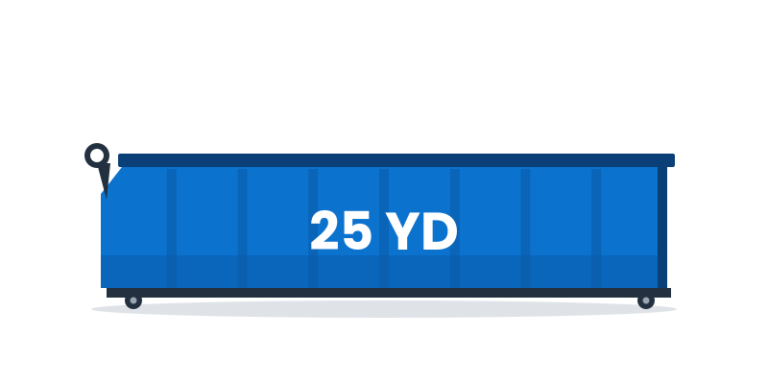
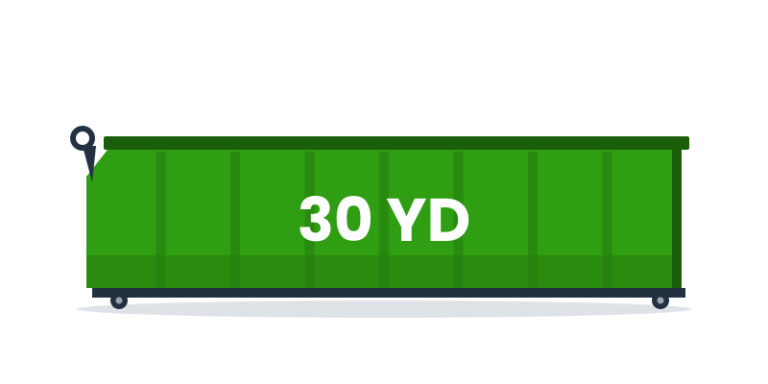
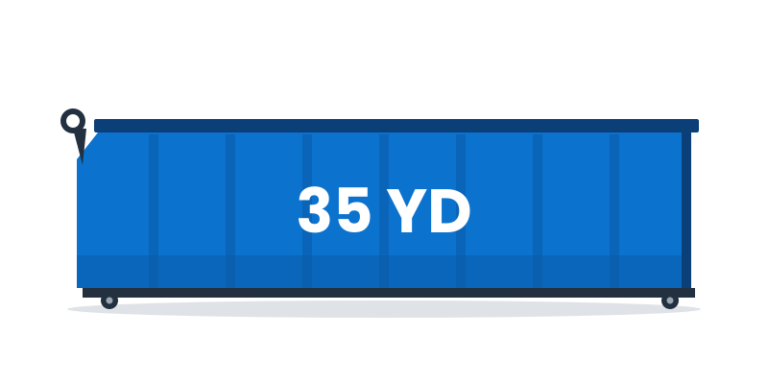
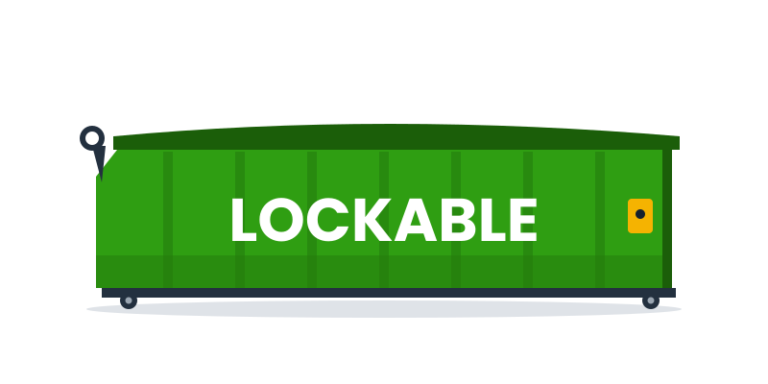
RORO Skip Sizes Available in Argyll and Bute



Who uses large containers in Argyll and Bute
The area’s big waste producers are distinctive. Distilleries on Islay and in Campbeltown generate pallets, packaging, broken casks and engineering waste during maintenance shutdowns. Aquaculture shore bases produce redundant nets, pipe, floats and plastics. Forestry, boatyards, harbour works and the defence establishments on the Gare Loch add timber, metal and general industrial waste. Where a hook-loader can reach, a 20-yard or 30-yard RORO is the workhorse, with a 40-yard for light, bulky plastics and timber. Because haulage is the main cost here, filling each container properly matters more than usual.
Hotel refits, housing and harbour construction
Building work in Argyll and Bute is often refurbishment: hotels and guest houses in Oban and Dunoon upgraded over winter, Victorian villas in Helensburgh and Rothesay converted, plus new affordable housing and pier or harbour improvements. Strip-out waste and mixed construction waste suit a RORO where space allows. Stone, slate, concrete and soil do not suit a large one, because the vehicle’s legal weight limit is reached early. Heavy demolition waste is usually moved in smaller part-filled containers, by grab or by tipper.
When a smaller service is the honest answer
On single-track roads, steep driveways and many island sites, a hook-loader is simply the wrong vehicle. Conventional skips in the 6 to 12-yard range reach more places, and a man and van collection reaches more still. For a larger one-off job in a remote spot, several exchanges of a smaller skip may be the only workable plan. Dig-outs for house plots are typically handled with muck away using whatever tipper capacity is available locally. We would rather tell you that at the outset than accept a booking that cannot be delivered.
Trade waste for shops, hotels and offices
Tourism dominates much of the local economy, and with it comes seasonal waste. Commercial waste collection in wheelie bins, with separate food waste and recycling bins, can be arranged where collection rounds operate. Frequency on islands and long peninsulas depends on those rounds and is confirmed per address. End-of-season bulky waste collections for old furniture and fittings are another common request.
Materials and welfare on remote sites
Remote construction sites need careful ordering. We can ask local partners about aggregate delivery, drainage stone and concrete, though supply on islands depends on what is produced or stocked there. Volumetric concrete, mixed on site, can be useful where travel time is long. Portable toilets and welfare units are frequently needed on sites with no services.
Ferries, the A83 and waste that must travel separately
Plan around the transport links. Island deliveries need ferry space for a heavy vehicle in both directions, which is tight in summer. On the mainland, the A83 at the Rest and Be Thankful is prone to closure after heavy rain, lengthening journeys to Kintyre and Mid Argyll. Containers stand on private land; road placement needs Argyll and Bute Council’s consent and is seldom feasible.
Special waste, asbestos, batteries, electricals, gas cylinders, oils and paints never go in a mixed RORO. Ask about specialist waste collections, including hazardous waste, asbestos and batteries.
Local industries and commercial areas
- Whisky distilleries
- Aquaculture shore bases
- Forestry and timber
- Oban harbour and hotels
- Helensburgh and the Gare Loch
- Campbeltown and Kintyre
- Island construction sites
Towns and districts covered in Argyll and Bute
RORO containers normally stand on private land, where no permit is needed. Permission to place anything on a public road here comes from Argyll and Bute Council – see RORO skip permits.
- Oban
- Helensburgh
- Dunoon
- Campbeltown
- Lochgilphead
- Rothesay
- Inveraray
- Tarbert
- Cardross
- Garelochhead
- Tobermory
- Bowmore
- Isle of Mull
- Islay
- Isle of Bute
RORO skip hire in Argyll and Bute – your questions answered
Can’t see your question? Call 0333 121 1056 or send us a message.
Can a RORO container be delivered to Mull, Islay or Bute?
Sometimes, but not routinely. It depends on whether a partner has equipment on or near the island, ferry capacity for a hook-loader and the roads at the far end. We check each request individually and will tell you if a smaller skip or a collection service is the realistic option.
Why does a quote for Kintyre or Mid Argyll take longer?
Because the travel is long and few operators cover the area, we confirm vehicle availability, route and disposal point before giving a figure. That takes a little more time than an urban postcode, but it avoids a booking that later falls through.
Is RORO hire straightforward in Helensburgh?
Helensburgh, Cardross and the Gare Loch are close to the Clyde conurbation, so the range of containers that can be arranged is usually wider than further west. Availability is still checked by postcode, and residential streets with tight access may be better served by a conventional skip.
How should distillery or fish farm waste be separated?
Keep clean timber, metal and plastics apart where there is room, since separated loads are easier to recycle. Oils, chemicals, batteries and electrical equipment must be held back for specialist collection under consignment notes. Organic and liquid wastes are never placed in a mixed container.
Often booked with RORO skip hire in Argyll and Bute
Need more than one service for the same Argyll and Bute project? Add them to one enquiry and we’ll coordinate them together.
Get a Quick Quote
Tell us the site postcode, the waste, the container size if you know it, and when you need it. Mention exchanges, other sites or specialist waste and we will include them. Photos of the waste and the access help.
ROROSkipHire.com is operated by Waste Cloud Ltd. Services are coordinated centrally and carried out by licensed local waste management and haulage partners across England, Scotland and Wales.